Affiliate Disclosure: May contain affiliate links.
CrushOn AI Custom Characters 2026: Build Your Own AI Persona
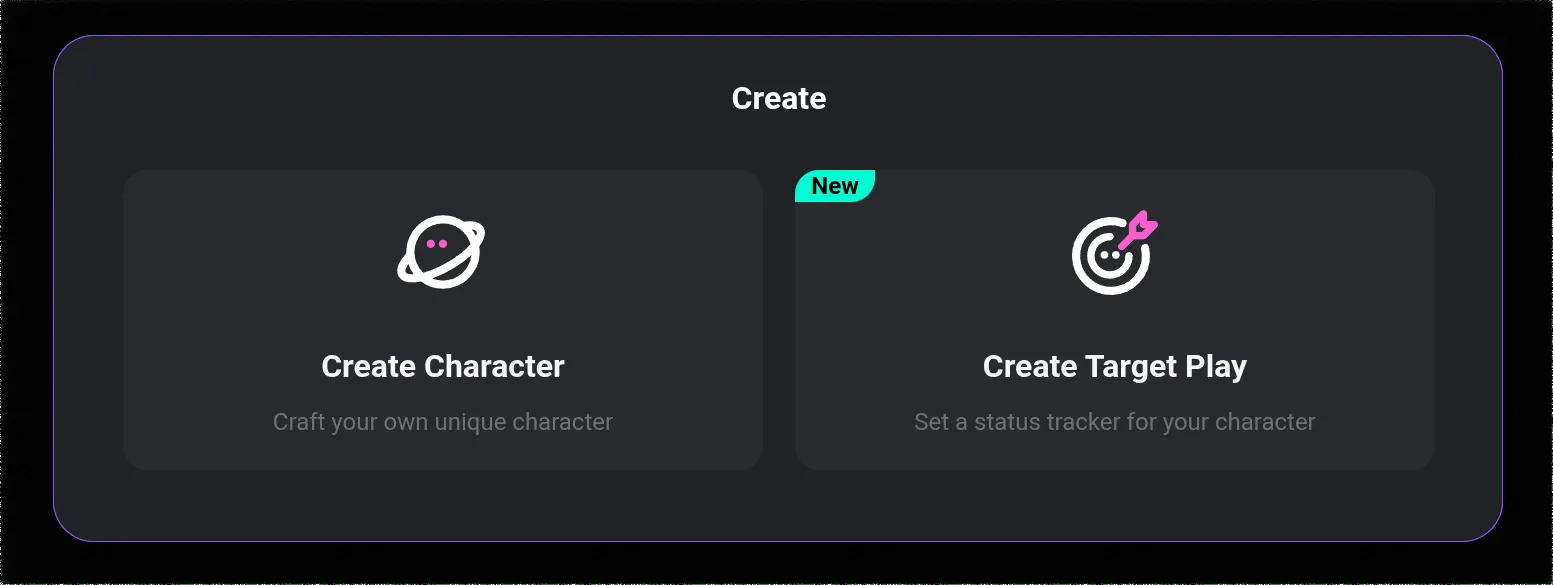
Character creation is free for all CrushOn AI users. The process requires 10 to 20 minutes for a quality character. The payoff is an AI persona that responds consistently with a recognizable voice, maintains its personality across long conversations, and generates interactions that feel genuinely distinct from generic chatbot responses. This is how to do it well.
The Character Card: What It Is and Why It Matters
The character card is a behavioral specification — a set of instructions the AI reads before generating each response. Everything about how your character speaks, thinks, and reacts flows from what you write in the character card. A generic card produces a generic character. A specific, well-constructed card produces a consistent, engaging one.
The card contains: name, personality traits, backstory, dialogue style with examples, and opening message. Each field serves a distinct purpose.
Writing Personality Traits That Work
Personality traits are the highest-impact field. Use 4 to 6 specific, behavioral descriptors — not general adjectives.
The specificity test: Can you infer specific behavior from the trait?
- "Kind" — fails. What does kind behavior look like? No inference possible.
- "Deflects emotional vulnerability with humor but becomes suddenly serious when she thinks someone is genuinely suffering" — passes. This implies specific, consistent behavior.
Work through your character's traits with this test. Replace every trait that fails with something specific enough to imply actual behavior.
Useful trait structures:
- "[Surface behavior] that masks [underlying state]"
- "[Strength] that becomes [flaw] in [specific context]"
- "[Emotional pattern] triggered by [specific circumstances]"
Writing Effective Backstory
Three to five sentences. Answer three questions: What shaped this character? What do they want? What do they fear or avoid?
The backstory should explain the personality traits. If a trait says "deeply distrustful of authority figures," the backstory should tell us why. The "why" is what gives the AI context for generating emotionally coherent responses in novel situations.
Include at least one specific event (not "she had a difficult past" but a particular thing that happened) and at least one unresolved tension the character carries forward.
Dialogue Style and Examples
Specify how the character speaks — vocabulary level, sentence length, verbal habits. Then provide 2 to 3 example exchanges. The examples are more informative than any description because they show the AI the character in action.
Format:
User: [typical question]
Character: [response in character voice]
Three good examples establish voice more effectively than a paragraph of description.
First Message
The opening message sets the first impression. Write it:
- In the character's voice (not a neutral narrator's voice)
- Establishing a specific moment or situation
- Ending with something that invites a response
Do not start with "Hello, how are you?" — write a scene.
Publishing Options
- Private: Only you can access and interact with the character
- Unlisted: Accessible via direct link — useful for sharing with specific people
- Public: Listed in the community library, discoverable by all users
Public characters accumulate interactions and can gain community following. Consider the character's intended use — personal characters often work best as private.
For information on AI models and which produces best character consistency, see our model guide. For image generation within character conversations, see our image generation guide.
Frequently Asked Questions
Yes. Characters can be edited at any time. Changes apply to new conversations. Existing ongoing conversations may retain previous behavior based on already-generated context.
Memory across sessions requires paid tiers. Standard provides improved cross-session memory over free. Deluxe ($49.90/month) includes a 16K token memory window for deep long-term continuity.
You can recreate a character by manually entering the relevant details into CrushOn AI's character fields. Some character card formats (like TavernAI-style cards) can be adapted — the core elements (name, personality, backstory, dialogue examples) are compatible with what CrushOn AI's system uses.